Unattended Death Cleanup
Cleanup when a death went unnoticed for days, with decomposition and odor control.
See unattended death cleanupRemove decomposition odor at the source in a home, apartment or rental in Globeville. Cleanup can include contaminated material removal, disinfection, air filtration and careful sorting of belongings.
Death odor removal is the cleanup of decomposition residue and affected materials, followed by air treatment that removes the remaining smell instead of covering it with fragrance. These cleanup services address both the source and the air.
Odor is produced during decomposition, and it may travel from the room in which the person was discovered. It can settle into upholstery, carpet, HVAC components and spaces inside walls. Deodorizing by itself is not a solution. Cleanup has to begin with locating and taking out the source.
An official property release must come before cleanup. It may be issued by a medical examiner or coroner, another authority or law enforcement. Cleanup crews examine the affected space and nearby areas. They follow contamination below surfaces and sort clean possessions from impacted ones. Materials that are porous may have to be removed if they absorbed fluids, while hard, non-porous surfaces are often suitable for cleaning and disinfection.
With the source gone, crews may use controlled ozone treatment, HEPA air filtration or hydroxyl treatment to remediate odor. The method depends on the building, the affected materials and whether the space can remain empty during treatment. Professional cleaning services should tell you why the chosen method suits your property.
Calls are answered day and night, and crews arrive in unmarked vehicles to protect your privacy at a difficult time.
Rather than discarding them without telling you, crews reserve keepsakes, papers and unaffected items so you can decide.
Photos, the cleanup scope and disposal records can be organized for your insurance company, landlord or property manager so you can move forward.
You hear which areas need attention, which materials may stay and what may need removal before cleanup starts.
When odor lingers after the deceased is removed, or decomposition fluids have affected the property, death odor cleanup is needed. Typical situations include:
Odor reached an adjoining unit, common hallway or shared air system and must be located without exposing other people.
A landlord or property manager needs the affected unit cleaned before repairs, painting or a future move-in.
Careful sorting separates belongings that may be retained from contents that were affected.
A person was not found right away, and decomposition affected a bedroom, bathroom, living area or the materials below it.
Wait for an official release and restrict entry in the meantime to help protect both you and the property. Cleanup technicians need the following information before beginning death odor remediation:
Call (888) 440-9227The guide from BioCleaners Directory lists death odor removal at $500 to $1,500 in a mild case, $1,500 to $3,500 with moderate odor, and $3,500 to $6,000 with severe odor. An extreme case involving structural work is listed at $6,000 to $15,000 in the guide. Your total is affected by the source, the materials involved and the distance contamination spread.
The figures shown are national ranges from published cost guides and are not based on an on-site visit. You learn what your property will cost after the on-site assessment and before any work begins.
Ask about cost: (888) 440-9227Homeowners, renters or landlord insurance may cover death odor cleanup when the policy covers the event, but coverage, deductibles and exclusions vary by policy. Property owners should report the loss before repairs begin when possible.
Homeowners or renters insurance, the estate or the property owner usually pays for this kind of cleanup. The Colorado crime victim compensation program helps only when a crime caused the loss.
For a rental unit, the property owner or manager commonly arranges the building cleanup. Who pays for belongings may be determined separately.
Check with the adjuster about needed repair details, photos, disposal records and scope of cleanup. Keep receipts and the claim number together.
Report the loss as soon as you can. Check your policy for coverage of repairs, damaged building material removal, odor treatment and biohazard remediation.
A source-first approach guides death odor removal. Before any air treatment, cleanup and removal of affected material take place because equipment cannot resolve contamination that remains within the structure. Clean spaces are kept apart from the work zone during every stage.
Technicians inspect the affected room, nearby spaces, flooring edges, contents and air returns to map where odor and residue may have traveled.
Clean spaces are isolated from the work zone. Air movement is controlled, and crew members use protective gear and equipment suited to the exposure.
Visible residue comes out first. Items that cannot be completely cleaned are removed, including carpet, padding, mattresses, upholstered furnishings, drywall and sections of subfloor.
Hard surfaces left in place receive cleaning followed by an EPA-registered disinfectant used for the entire contact time on the label.
The workspace air is filtered using HEPA air scrubbers. Hydroxyl or another suitable treatment may address odor that remains after source removal.
Reachable ventilation components and registers receive odor and residue checks around the affected area, helping stop air movement from carrying the problem.
Impacted material is labeled, sealed and removed for disposal following the rules in effect locally and statewide.
The affected space receives a follow-up inspection once treatment ends. For every step, documentation lists what crews cleaned and removed, plus any remaining repair work.
Call any hour. A death odor removal specialist answers, explains the steps and agrees a start time with you.
The smell itself is a warning that the source may still be present. Decomposition fluids, hazardous materials and affected contents can create serious health risks through direct contact or transfer to clean spaces.
Applicable medical waste rules require controlled packaging for materials contaminated by bodily fluids, followed by hazardous waste disposal. They do not belong in ordinary household trash.
Following seams, fluids can soak beyond carpet and padding into drywall, subfloor or wood. A surface may appear clean while concealing material underneath.
Smell may linger within ventilation components, wall voids, floor gaps and absorbent contents. The smell returns when air treatment occurs without taking out the underlying sources.
Can you clean it yourself? Do not use the strength of the smell to judge whether an area is safe. Even a slight smell may originate from residue under flooring or within an absorbent object. Arrange for professional assessment and keep the area shut if fluids were left after a death or the source is unknown.
Contained cleanup for death odor can take one to three days at the property. It may last longer if the smell reached multiple spaces, fluids penetrated the building structure, or flooring and wall removal is followed by separate repair work.
| Scene | Typical time on site |
|---|---|
| Light odor without removal of structural materials | Often one day |
| One room with porous material removal | Often one to three days |
| Several areas or structural contamination | Several days, plus repair time |
Decomposition odor removal starts by locating every affected material. Fragrance, paint and fogging cannot replace source removal. If carpet, subfloor, furniture or drywall absorbed fluids, that material must be cleaned fully or removed before air treatment begins.
HEPA air scrubbers may filter particles from the air while work is underway, and hydroxyl treatment can be suitable for odor that remains. Ozone may irritate lungs and therefore must be tightly controlled. The treatment space has to remain empty of people, plants and pets, with reentry delayed until it has been ventilated properly.
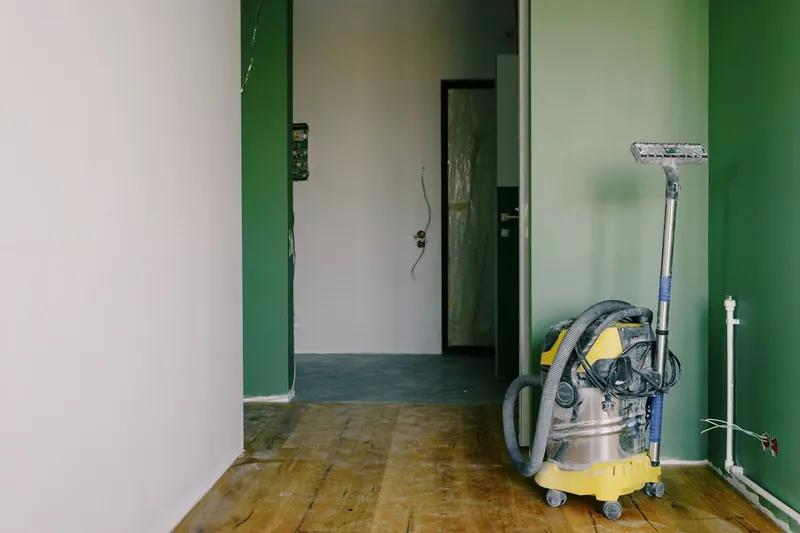
OSHA's Bloodborne Pathogens Standard, 29 CFR 1910.1030, requires worker protective equipment, exposure controls and training when blood exposure is possible.
The product should have EPA registration for its intended use, with surfaces kept visibly wet during the complete contact time on the label.
Colorado treats waste that can cause infectious disease, including human blood and body fluids, as infectious waste. The Colorado Department of Public Health and Environment's medical waste rules apply to its handling, so it should not go in household trash.
Colorado has no statewide medical examiner. Death investigation is county-based, led mostly by elected county coroners, with a few counties using a medical examiner or coroner. Cleanup starts after police or the coroner release the scene.
The full death odor removal guide covers what is cleaned or removed, odor and air quality work, and the rules that apply in Colorado and Denver County.
Read the full death odor removal guide
Local housing, population and access details can shape containment, access and cleanup planning.
Globeville is listed about 3.2 miles from HCA Healthone Presbyterian St. Luke's, a useful distance to know when someone needs a medical check after a biohazard exposure.
Directions that mention North Wynkoop, RiNo West or River North RiNo Art District can describe the general area, but crews still need the exact street address and entrance.
A cleanup plan for this neighborhood should account for adjacent homes or units when setting odor control and containment boundaries.
During your call, ask whether cleanup is available in surrounding communities and ZIP codes.
Cleanup when a death went unnoticed for days, with decomposition and odor control.
See unattended death cleanup
After a person dies at home, cleanup addresses fluids, odors and belongings that were affected.
See death cleanup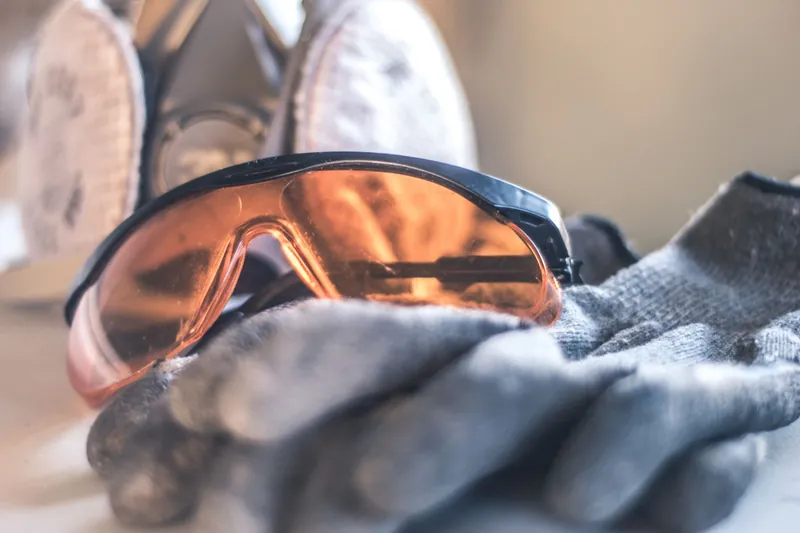
Decomposition fluids are removed from furniture, flooring and the subfloor beneath it.
See decomposition cleanup
Care for the family's home guides cleanup when a death has been found quickly.
See attended death cleanup
Following a death, estate cleanout includes sorting possessions and removing them safely.
See estate cleanout after a death
Any property receives disinfection after removal of infectious materials, including bodily fluids and blood.
See biohazard cleanup
Trauma scene cleanup addresses the aftermath of accidents, injuries and violent incidents.
See trauma scene cleanup
Hotels, rental properties and Airbnb units receive biohazard cleanup.
See hotel, Airbnb and rental biohazard cleanupFirst, you need to remove the odor's source. Affected subfloor, drywall, furniture, padding or carpet may need to come out. Remaining hard surfaces are cleaned and disinfected, then air scrubbers and a suitable odor treatment address what remains. Fragrance cannot eliminate decomposition smell.
Once the scene is released, cleanup is generally arranged by the landlord, property owner, estate representative or family. A professional cleanup crew can remove contamination and odor. Flooring, drywall and any other building materials removed in remediation might be replaced by a separate contractor.
Before entry, make sure authorities release the property and everyone remains outside the affected area. Cleanup then includes containment, removal of decomposition residue and materials that cannot be disinfected, detailed surface cleaning, medical waste disposal and air treatment. You can avoid entering the room and do not have to sort impacted items alone.
Start by confirming that the property has been released. Keep the affected room closed, contact the insurance company and separate ordinary estate work from biohazard cleanup. Contaminated belongings need assessment before they are moved. Clean items and keepsakes from loved ones can then be sorted with a family member or estate representative.
Ranges in the BioCleaners Directory guide are $500 to $1,500, for mild odor, $1,500 to $3,500, for moderate odor, $3,500 to $6,000, for severe odor and, for extreme odor involving structural work, $6,000 to $15,000. Job pricing depends on removal needs and the size of the affected area.
When odor returns, some part of the source usually remains. Fluids may have entered carpet padding, wall cavities, subfloor, furniture or parts of the ventilation system. Although fragrance or surface cleaning can briefly improve the smell, lasting odor removal means finding and correcting every affected area.
You can request respectful, discreet death odor removal 24 hours a day, and crews use unmarked vehicles.